An entire stand mimicking the movement of oars, in perfect sync, to repeated chants of "Ro! Ro! Ro!". The so-called Viking row became one of the most striking images of Norway's run at the 2026 World Cup.
But the gesture that went viral goes far beyond football. It refers to the element at the centre of Nordic expansion during the Viking Age: the ship. Built to sail through fjords, rivers and open seas, Viking ships became symbols of mobility, exploration, trade and power. Today, that maritime legacy lives on in museums, archaeological sites, digital experiences and even tourist trips inspired by the ancient Scandinavian vessels.
1. Sail on a Viking-inspired boat in Tenerife
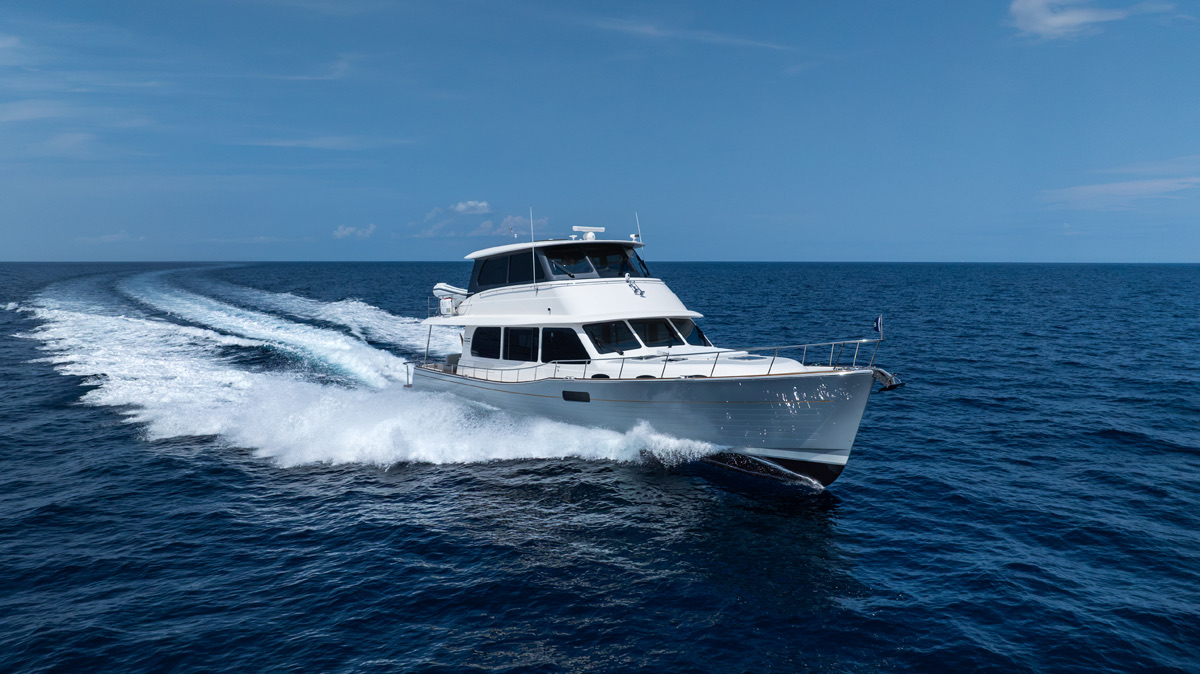
At the port of Los Cristianos, in southern Tenerife, in the Canary Islands, visitors can board the Ragnarok, a wooden vessel inspired by the ships that sailed northern Europe between the 9th and 11th centuries. The trip follows the island's coast with the aim of spotting dolphins and whales in the wild.
2. Travel back in time with virtual reality in Oslo
In Norway's capital, The Viking Planet presents Viking culture through digital resources and immersive experiences. The space brings together life-size holograms, interactive three-dimensional objects and a cinema room with 270-degree projection. The museum's content is also available in 12 languages, including Portuguese.
3. Discover the mysteries and legends of Oslo
The Oslo mysteries and legends tour departs from the Norwegian capital's City Hall and runs through the historic centre for approximately two hours. The route covers stories of Vikings, witches, ghosts, trolls and mythological beings, showing how Norse mythology remains present in the city's cultural identity.
4. Find thousand-year-old ships in Roskilde
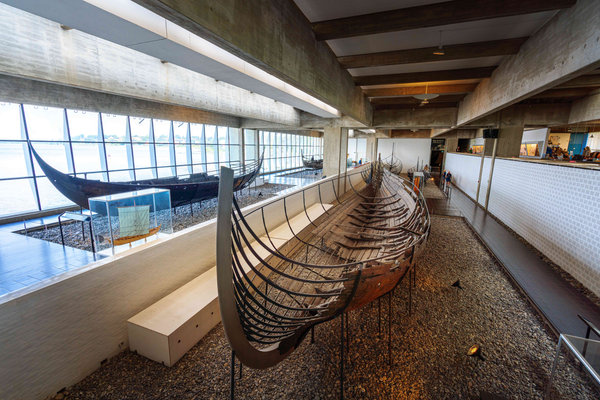
About 30 minutes by train from Copenhagen lies Roskilde, one of the most important cities for anyone wishing to understand the relationship between the Vikings and the sea. The main highlight is the Viking Ship Museum, set beside the fjord, with the five Skuldelev ships preserved as testimony to the shipbuilding and maritime routes of the Viking Age.
5. Explore Reykjavík's Viking heritage
In Iceland, the history of the first settlers is deeply linked to the sea. The free tour of the Icelandic capital departs from the Harpa building and passes landmarks such as the Hallgrímskirkja church and the seat of Iceland's Parliament. The Alþingi, Iceland's Parliament, was created in the year 930 and is recognised as one of the oldest parliamentary institutions in the world.
A history that keeps sailing
From the archaeological evidence preserved in Denmark to the virtual experiences in Oslo, the Viking universe remains tied to the human ability to build vessels, face the unknown and cross great stretches of water. Off the pitch, museums, historic cities and nautical experiences help reveal that the Vikings were not only warriors: they were also navigators, builders, traders and explorers.
By: Redação Mundo Mar
Photo: Divulgação