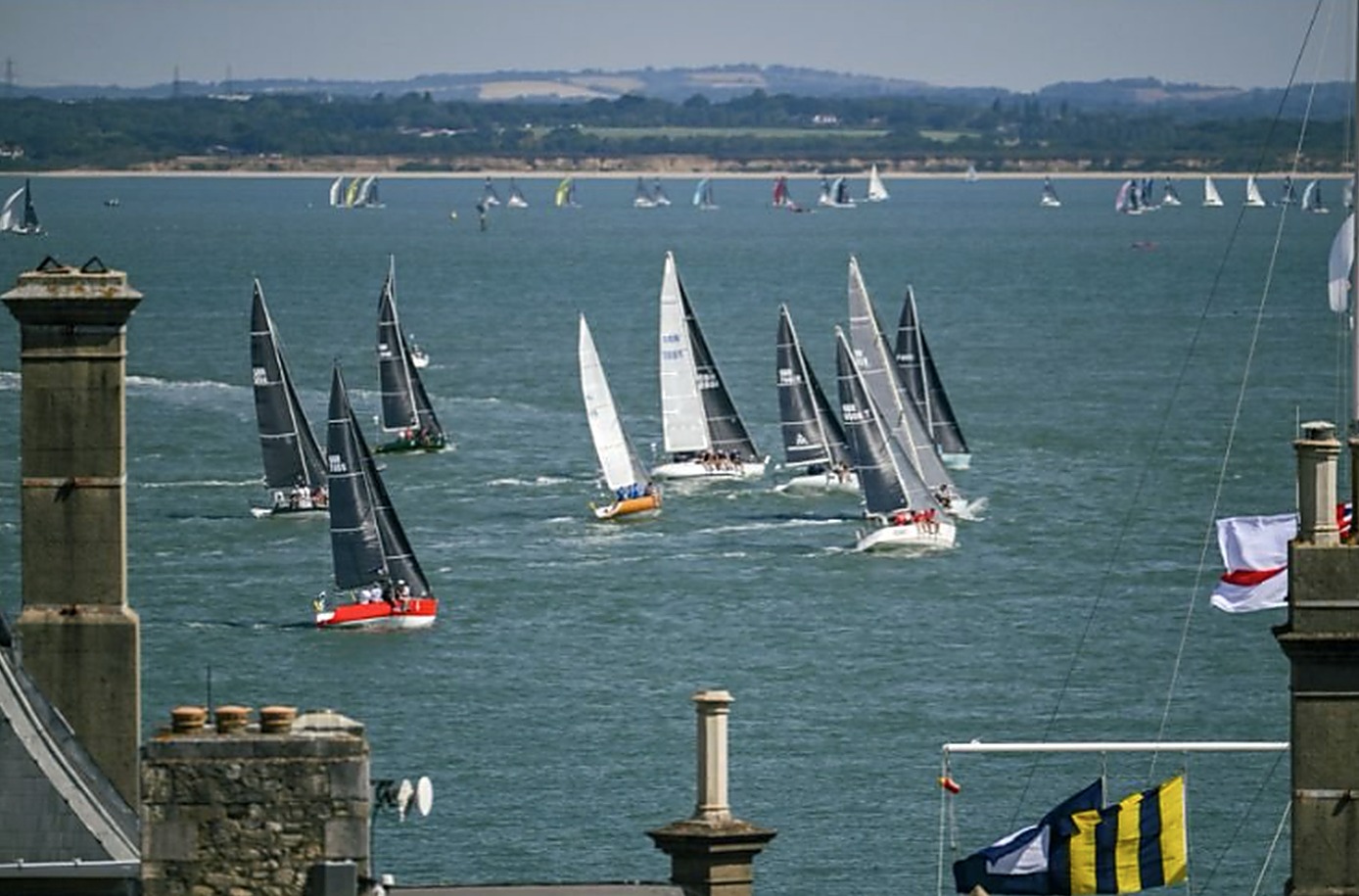
Few competitions in the world can say they have crossed two centuries. Cowes Week has just done it. The British regatta, sailed in the waters of the Solent, off the Isle of Wight, closed its 200th edition on Friday with a full day of racing followed by a prizegiving that brought together the global sailing community.
The numbers explain why it is considered the largest regatta of its kind on the planet: around 5,000 sailors and 641 boats entered, from classic yachts to modern racing designs, split into dozens of classes racing at the same time on the same stretch of water.
A trophy created for the bicentenary
Organisers wanted to mark the occasion with something new, and created the Bicentenary Gold Cup. The clever part was the format: the trophy was decided on results from the first three days, giving a genuine chance of victory to all 641 entrants, not only the front-running crews.
The cup went to High Spirit, a Contessa 33 helmed by Andy Maskell, in the Club Cruiser D class. It is the kind of result that captures the spirit of the regatta: a cruising boat taking the commemorative trophy of an event that also welcomes professionals.
The main class winners
In the XOD class, one of the most traditional and hotly contested, with 60 boats on the water, the overall win went to Lone Star, sailed by Phil Lawrence, Nick Froud and David King.
In the Black Group, Ben Rogers' Contessa 32 Solan Goose edged out Sam Laidlaw's quarter tonner BLT in a contest decided at the sharp end.
And the RS21 class, making its debut precisely in the bicentenary edition, was won by White Oryx, skippered by Crispin Winser.
The award that speaks of the future
Among all the trophies handed out, one stands out for its symbolism. The young German crew of Stoertebeker, racing in IRC Zero, took two honours: top training boat and the Sustainability Award, given to those who sailed the greatest number of carbon-free miles.
There is a good story behind the merit: they sailed from Kiel, in Germany, to Cowes to take part in the regatta, rather than transporting the boat. It is proof that sustainability at sea is also measured in practical decisions.
Why this matters to Brazil
A regatta that reaches 200 years shows what sailing can build when there is continuity: tradition, a calendar, an audience and an entire economy revolving around one event. Full marinas, occupied hotels, busy marine services and a town that organises itself around the sea.
It is exactly the path Brazil has been taking with regattas that consolidate year after year, and a reminder that water sports are also a driver of tourism and of the ocean economy. Two hundred years on, Cowes Week keeps proving it every August.
By: Redação Mundo Mar
Photo: Divulgação Cowes Week · @atilastudioo / @tidalpulsemedia / @paulwyethphotography