For decades, Brazil's marine sector and its entire ocean economy lived with a silent problem: no one could say, with an official figure, how much the sea weighs in the country's wealth. Without that number, the sector always arrived at a disadvantage when competing for budget, credit and priority in public policy. That is about to change.
A technical group coordinated by the National Planning Secretariat of the Ministry of Planning and Budget, in partnership with the National Accounts Coordination of IBGE, has finalised the Methodology for Measuring the Ocean Economy in Brazil. The document was approved by the Interministerial Commission for Marine Resources in October 2025 and establishes, for the first time, the concepts and criteria that will allow the participation of maritime activities in Gross Domestic Product to be calculated officially.
What goes into the count
The methodology defines which activities make up the ocean economy and how they should be measured. It includes sectors such as fishing, waterway transport, mineral resource exploitation, coastal tourism, the shipbuilding industry and defence, among other chains that depend directly or indirectly on the ocean.
Bringing all of this under a single method is not a technical detail. It is what separates a vague perception that the sea matters from evidence backed by numbers, the kind that can be taken into a ministry, a city council or an investment meeting.
Why it matters to those who live from the sea
Here is the point the sector needs to grasp. A segment that is not measured is a segment that does not show up. And what does not show up loses ground every year to agendas that know how to explain themselves better with data.
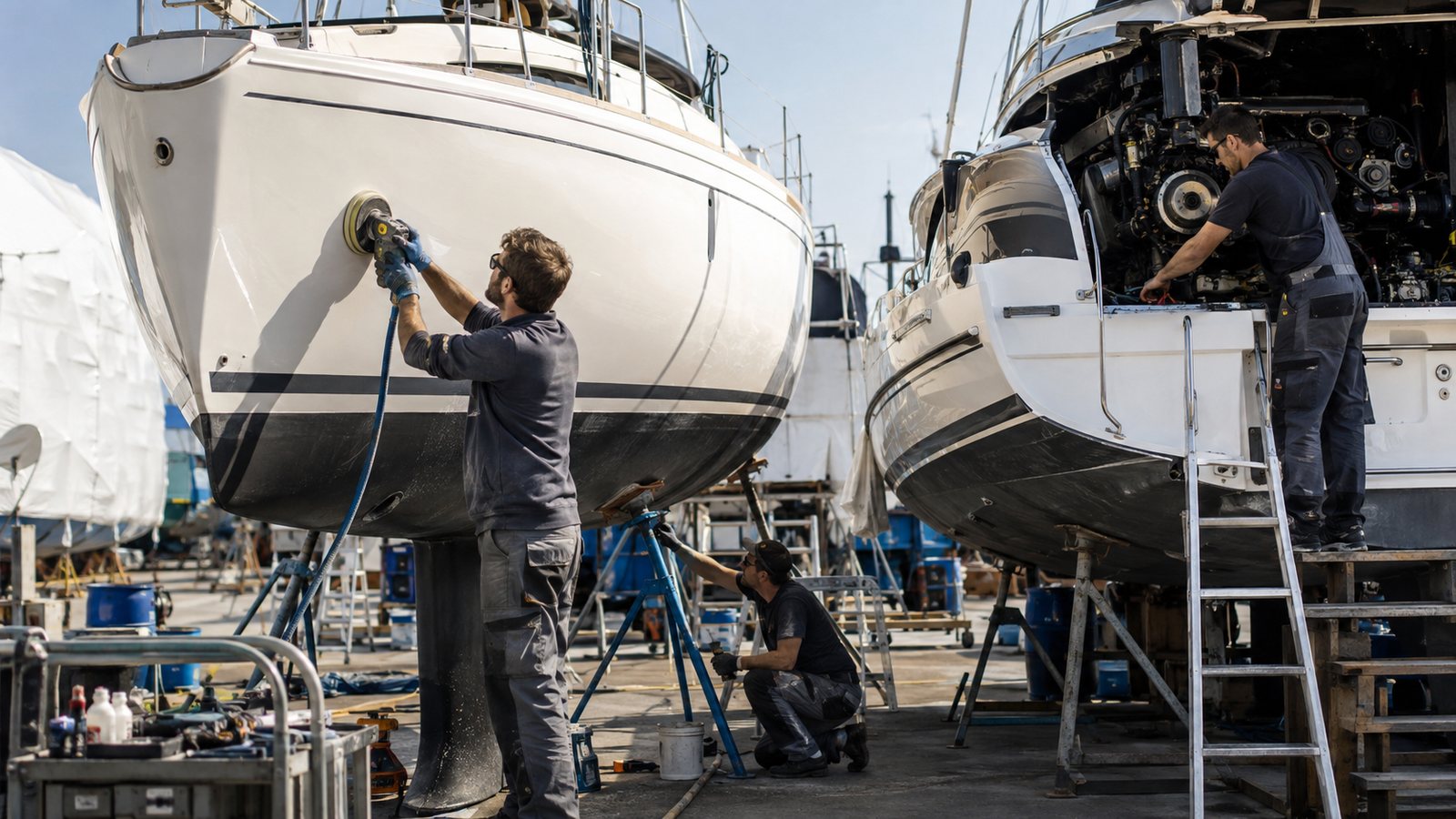
Santa Catarina, which accounts for around 70% of national boat production, is a portrait of this. The industry, the marinas, the shipyards, tourism and the service chain move an entire economy around the water, yet they rarely appear in the statistics with the dimension they truly have. When IBGE begins applying the new methodology and releasing the first results, that weight stops being an estimate and becomes an official figure.
The next step
With the methodology approved, the next step is its application by IBGE and the release of the first data. From that point on, the country will be able to assess precisely how much sea-related activities generate in wealth and jobs, in Brazil and in each coastal state.
It is no coincidence that the topic is already at the centre of the sector's debates. The future of the Ocean GDP is one of the discussions set to mark the major blue economy gatherings of 2026. For those who produce, operate, legislate or invest in the sector, the message is direct: the sea is about to get a number, and it is time to be ready to use it.
By: Redação Mundo Mar
Photo: Arte Mundo Mar